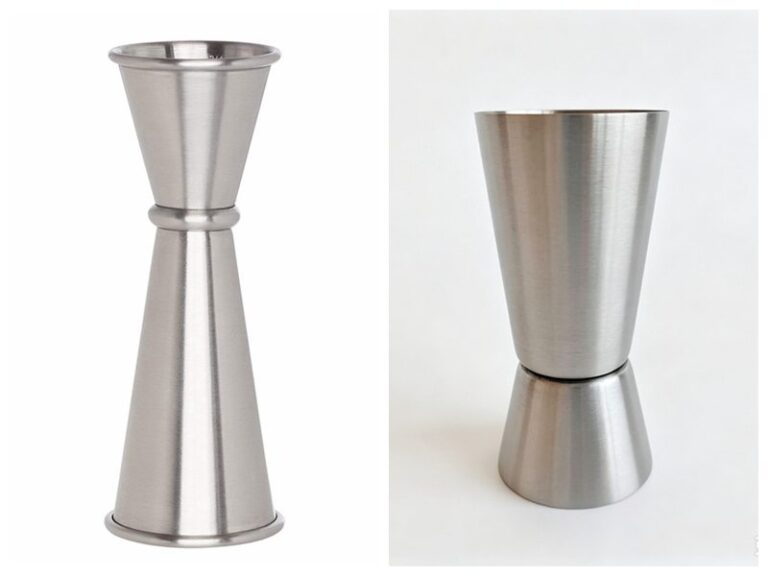
Walk into any professional bar, and you’ll see bartenders shaking cocktails with smooth, practiced motions. But look closely at the tools in their hands — the shaker itself varies more than most people realize. The three dominant styles — Boston shaker, cobbler shaker, and French shaker — each have distinct structures, learning curves, and ideal use cases.
Whether you’re a home enthusiast building your first bar kit, a bar manager sourcing equipment for a new venue, or a distributor deciding which shaker types to stock, understanding these differences is essential. This guide breaks down all three styles in depth — construction, pros and cons, skill requirements, and which shaker wins in each scenario.
As a cocktail shaker manufacturer since 2007, LARBO produces all three styles for clients in 56+ countries. We’ve seen firsthand which shakers work best for which markets — and this guide distills that experience into practical recommendations.
Quick Comparison Overview
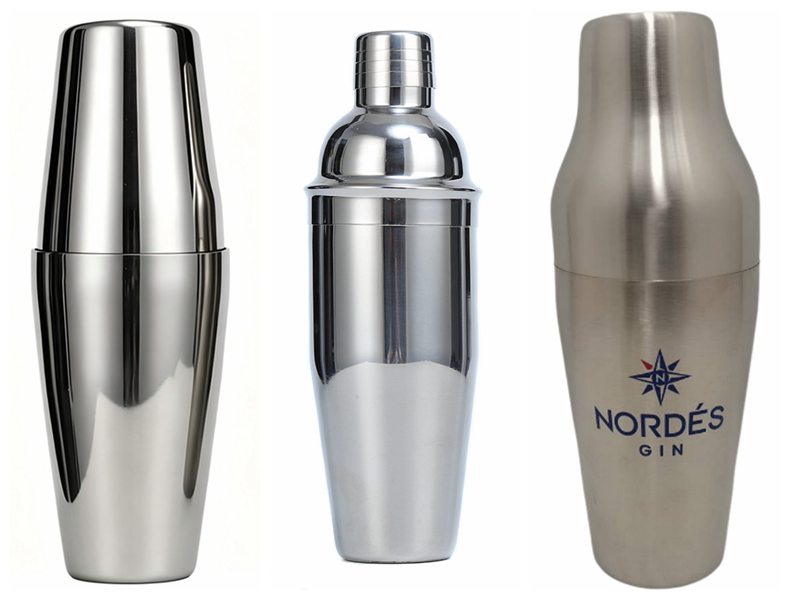
| Feature | Boston Shaker | Cobbler Shaker | French Shaker |
|---|---|---|---|
| Pieces | 2 (tin + glass/tin) | 3 (body + built-in strainer + cap) | 2 (body + cap) |
| Built-in Strainer | No | Yes | No |
| Skill Level | Intermediate | Beginner | Intermediate |
| Speed | Fastest | Moderate | Fast |
| Leak Risk | Low (with practice) | Very Low | Low |
| Best For | Professional bars | Home bars, beginners | Upscale bars, European market |
| Capacity Range | 500–800ml | 250–1800ml | 500–700ml |
| Cleaning | Easy (2 parts) | Moderate (3 parts) | Easy (2 parts) |
1. The Boston Shaker — The Professional’s Choice
What Is a Boston Shaker?
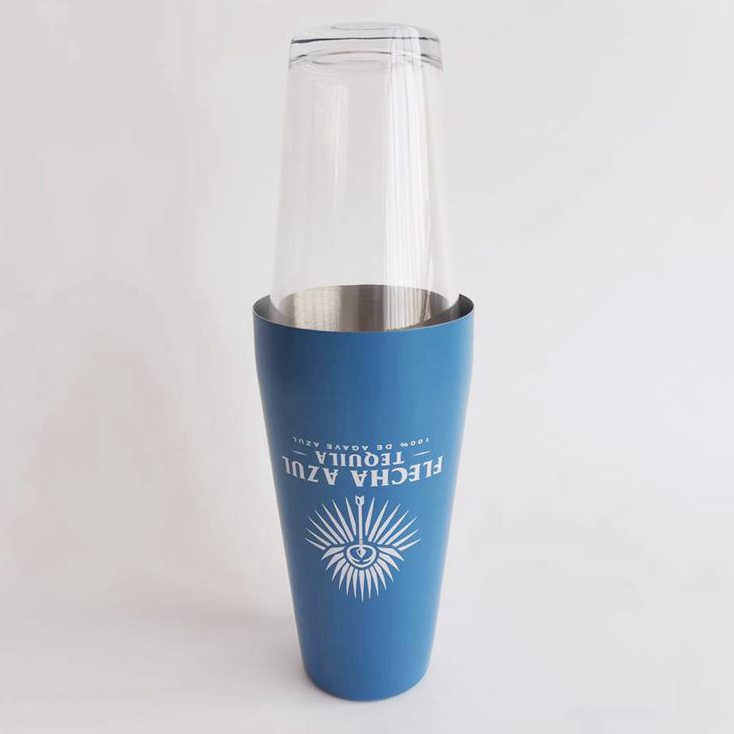
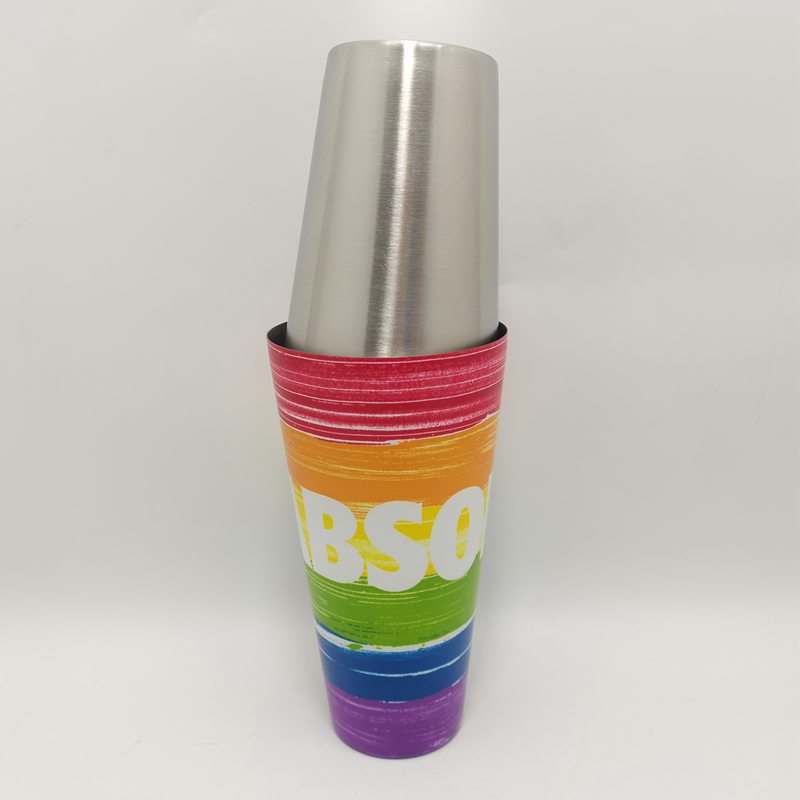
The Boston shaker consists of two pieces: a large metal mixing tin (usually 28oz/800ml) and a slightly smaller vessel that is either a glass (glass-on-tin, the classic “Boston”) or a second smaller tin (tin-on-tin, also called tin-in-tin). There is no built-in strainer — you’ll need a separate Hawthorne strainer to pour the cocktail into the glass.
How It Works
The bartender fills the smaller vessel with ingredients, inverts the larger tin over it, and gives it a firm tap to seal the two pieces together. The vacuum created by the temperature difference (cold ingredients + room-temperature metal) locks the seal. After shaking, a quick tap on the side breaks the vacuum, and the two pieces separate with a satisfying pop.
Advantages
Speed and Efficiency — The Boston shaker is the fastest to seal and open once you’ve mastered the technique. No screwing, no aligning threads — just tap, shake, tap, pour. In a high-volume bar where a bartender shakes 100+ cocktails per shift, those saved seconds add up dramatically.
Larger Capacity — The 800ml tin accommodates large-format cocktails, batch drinks, and multiple servings at once. This is why Boston shaker sets are standard in busy cocktail bars.
Easier to Clean — Only two smooth-walled pieces with no strainer holes, no threaded caps, no nooks where citrus pulp can hide. A quick rinse and you’re back to service.
Versatile Straining — Because the strainer is separate, you choose your tool: Hawthorne for standard pours, fine mesh strainer for double-straining drinks with herbs or egg whites, or a julep strainer for stirred drinks.
Unbreakable (Tin-on-Tin) — The all-stainless tin-in-tin version eliminates glass breakage entirely — critical for bars with concrete floors or outdoor service.
Disadvantages
Learning Curve — Sealing a Boston shaker requires practice. Too gentle a tap and it leaks mid-shake; too hard and you can’t separate it. Most bartenders need 1–2 weeks of daily use to develop reliable muscle memory.
No Built-in Strainer — You must own and use a separate strainer, adding one more tool to your workflow and one more item to wash.
Glass Breakage Risk — The traditional glass-on-tin version can shatter if dropped or exposed to sudden temperature changes. Tin-on-tin solves this but costs slightly more.
Who Should Use the Boston Shaker?
- Professional bartenders and cocktail bars
- High-volume venues (nightclubs, event bars, hotel bars)
- Bartending students learning the craft
- Anyone who values speed over simplicity
→ Recommended products: Boston Shaker Set | Boston Shaker with Mixing Glass | Tin-in-Tin 800ml
2. The Cobbler Shaker — The Beginner’s Best Friend
What Is a Cobbler Shaker?
The cobbler shaker is a 3-piece design: a main body (the tin), a built-in strainer cap with perforated holes, and a small top lid that covers the strainer. You fill the body, place the strainer cap on top, add the lid, shake, remove the lid, and pour through the built-in strainer. No separate strainer needed.
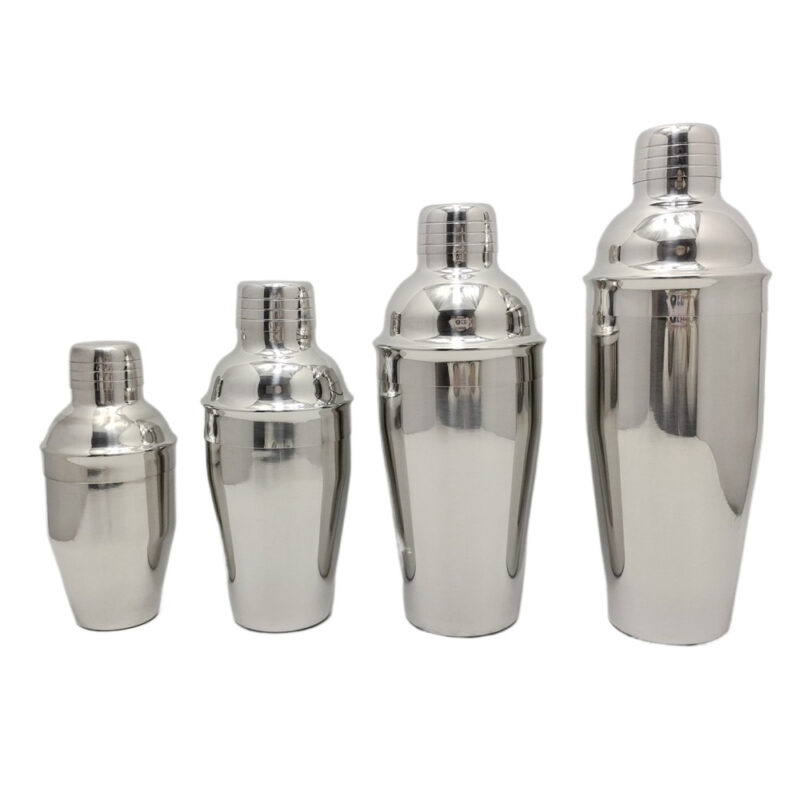
This is the most recognizable shaker style worldwide — it’s what most people picture when they think “cocktail shaker.” Our 1800ml stainless steel martini shaker and 550ml standard cobbler are both cobbler-style.
How It Works
The cobbler’s strainer cap sits on top of the body with a friction fit. The small cap on top of the strainer provides a secondary seal. After shaking, you remove the small cap and pour — the built-in strainer catches ice and large solids. For finer ingredients, you can still double-strain by pouring through an additional fine mesh.
Advantages
All-in-One Convenience — No separate strainer required. Everything you need to shake and strain is in one tool. This is why cobbler shakers dominate the home bar and gift set markets.
Beginner-Friendly — The assembly is intuitive: fill, cap, shake, pour. No vacuum-sealing technique to learn, no risk of mid-shake explosions. A first-time cocktail maker can use a cobbler shaker confidently within minutes.
Leak-Resistant — The friction-fit cap creates a reliable seal without needing a perfect tap. This makes the cobbler shaker the most forgiving option for users who don’t shake hundreds of drinks per day.
Wide Capacity Range — Cobbler shakers come in sizes from 250ml mini shakers for single servings to 1800ml large shakers for batching 4+ cocktails at once. This variety makes them suitable for home bars, gift sets, and commercial use alike.
Great for Gift Sets — The elegant 3-piece design looks premium in retail packaging. Many of our B2B clients order cobbler shakers for corporate gifts, wedding favors, and consumer retail lines.
Disadvantages
Slower in Professional Settings — The 3-piece assembly takes a few extra seconds per drink compared to a Boston shaker’s tap-and-go. In a bar doing 300+ covers a night, this matters.
Strainer Limitations — The built-in strainer has larger holes than a Hawthorne strainer. Fine ingredients (mint leaves, fruit pulp, egg white foam) can slip through. Professional bartenders often prefer a separate fine mesh strainer for double-straining — which defeats the all-in-one advantage.
More Parts to Clean — Three pieces with a perforated strainer means more surfaces to wash. Citrus pulp and sugar can get trapped in the strainer holes, requiring a brush to clean properly.
Cap Can Jam — If the small top cap is overtightened while wet, it can be difficult to remove. This is a common complaint among new users but becomes a non-issue with experience.
Who Should Use the Cobbler Shaker?
- Home bartenders and cocktail enthusiasts
- Beginners learning to make cocktails
- Gift sets and retail products
- Venues where speed is less critical than ease of use
- Catering and event bars with rotating staff
→ Recommended products: 1800ml Large Cobbler | 550ml Standard Cobbler | 350ml Cobbler | 250ml Mini Cobbler | Insulated Cobbler 500ml | Leather-Wrapped Cobbler 650ml
3. The French Shaker (Parisian) — The Elegant Hybrid
What Is a French Shaker?
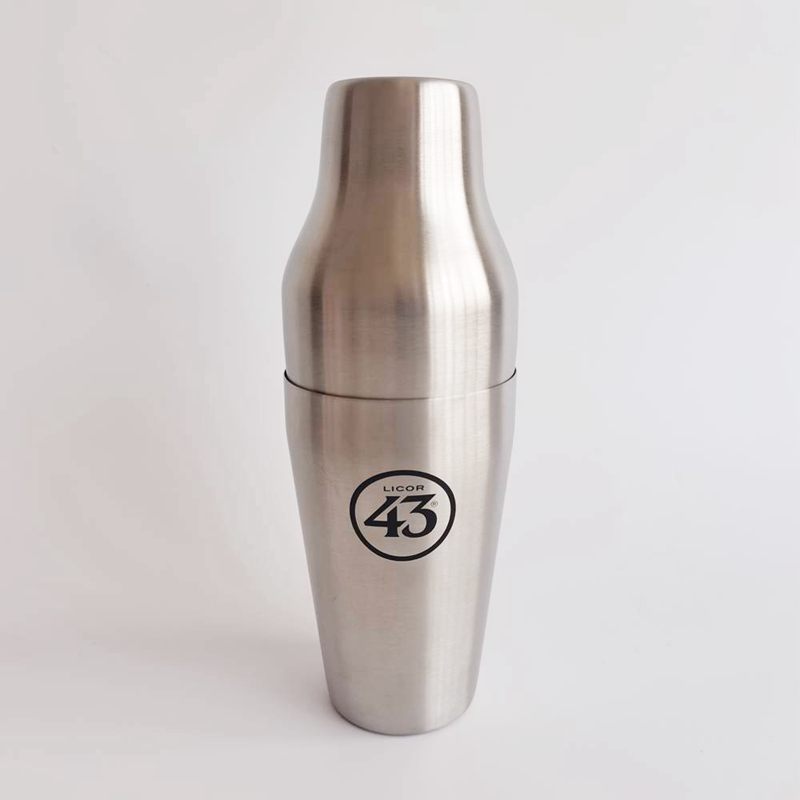
The French shaker — also called a Parisian shaker — is a 2-piece design that combines elements of both the Boston and cobbler styles. It has a main body and a cap, like a Boston shaker, but the cap fits over the outside of the body rather than nesting inside. The cap has a curved, dome-like top that gives it a more refined, elegant profile than the utilitarian Boston tin.
Unlike the cobbler, the French shaker does not have a built-in strainer — you’ll need a separate Hawthorne strainer to pour.
How It Works
Fill the body with ingredients, place the cap on top, give it a gentle press to seal, and shake. The seal is created by the cap’s friction fit over the body’s outer rim. After shaking, a tap on the side releases the cap, and you pour through a separate strainer.
Advantages
Elegant Aesthetics — The French shaker’s sleek, curved profile is the most visually striking of the three styles. It’s a common choice for upscale bars and craft cocktail lounges where the bartender’s performance is part of the experience. Our brushed French shaker 660ml is particularly popular in European markets.
Simpler Than Cobbler — Only two pieces to manage, no strainer cap to align, no small lid to lose. The friction seal is intuitive — press down, shake, done.
Better Seal Than Boston — The cap-over-body design creates a wider contact surface than the Boston’s nested seal. Many bartenders find it seals more reliably with less force, making it a good middle ground for those who find the Boston technique challenging.
Comfortable Grip — The curved cap provides a natural resting place for the non-dominant hand during shaking, offering better control than a straight-walled Boston tin.
Disadvantages
No Built-in Strainer — Like the Boston, you need a separate strainer. This adds a tool and a step to the workflow.
Less Common — The French shaker is the least widely used of the three styles. Spare parts, replacement caps, and matching accessories are harder to find than for Boston or cobbler shakers.
Cap Can Dent — Because the cap fits over the body, a dented cap may no longer seal properly. Boston tins are more forgiving of minor dents because the seal point is inside the tin.
Limited Capacity Options — French shakers are typically available in 500–700ml sizes. If you need a 1800ml shaker for batching or a 250ml mini for samples, you’ll need to look at cobbler or Boston options.
Who Should Use the French Shaker?
- Upscale and craft cocktail bars
- European market preferences
- Bartenders who want elegance without the cobbler’s extra parts
- Venues that prioritize presentation and guest experience
- Gift and premium retail products
→ Recommended product: Brushed French Shaker 660ml
Head-to-Head: Which Shaker Wins?
For Professional Bars
Winner: Boston Shaker (tin-on-tin)
Speed, capacity, and durability make the Boston shaker the professional standard. The tin-in-tin version is unbreakable, seals quickly once mastered, and handles the largest drink volumes. Most competition bartenders and high-volume venues use Boston shakers exclusively.
For Home Bartenders
Winner: Cobbler Shaker
The all-in-one design means no extra strainer to buy, no technique to learn, and no risk of mid-shake leaks. A 550ml standard cobbler is the perfect starter shaker for home use.
For Beginners
Winner: Cobbler Shaker
Fill, cap, shake, pour — it doesn’t get simpler. The built-in strainer eliminates one of the most common beginner mistakes (forgetting to strain). Start with a cobbler, and graduate to a Boston once you’re comfortable.
For Upscale & Craft Bars
Winner: French Shaker
The elegant profile and smooth operation make the French shaker the choice for bars where presentation matters. It’s a conversation piece that also performs well.
For Outdoor & Event Bars
Winner: Boston Shaker (tin-on-tin) or Insulated Cobbler
Tin-on-tin Boston shakers are unbreakable — ideal for outdoor environments. Alternatively, the insulated martini shaker keeps drinks colder longer in warm outdoor settings and eliminates condensation on wet surfaces.
For Gift Sets & Retail
Winner: Cobbler Shaker
The 3-piece cobbler looks premium in packaging, comes in a wide range of sizes and finishes, and is intuitive enough for any consumer to use. The leather-wrapped shaker adds an extra layer of perceived value for gift sets.
Material Matters: What Your Shaker Is Made Of
Regardless of style, material quality determines durability and performance:
304 Stainless Steel — The gold standard for all three shaker types. Food-grade, rust-proof, dishwasher safe, and virtually unbreakable. All LARBO shakers use certified 304-grade steel with mill test certificates. Learn more about our manufacturing standards and material sourcing.
Glass — Used in traditional Boston shakers (glass-on-tin) and some cobbler sets. Looks beautiful but breaks. Best for home use or low-volume settings. See our glass cocktail shaker options.
Sourcing Shakers for Your Business
If you’re a bar owner, distributor, or retailer sourcing shakers in volume, here’s what to consider:
Mix Your Order — Most successful barware distributors stock all three styles. Cobbler shakers sell best in retail/gift channels, Boston shakers dominate the professional market, and French shakers serve the premium niche. A balanced catalog captures all customer segments.
MOQ & Pricing — Standard shaker designs start at 500 pcs MOQ with factory-direct EXW pricing from 1.40–5.50/unit depending on style and size. Custom OEM designs start at 1,000 pcs. See our full MOQ and pricing guide.
Custom Branding — All three shaker styles support laser engraving, silk screen printing, embossing, and PVD color coating (gold, rose gold, black, rainbow). Custom packaging is available for orders over 5,000 pcs.
Free Samples — We ship free stock samples (you cover freight) so you can evaluate all three styles before committing to production. Contact us to request samples of specific shaker types.
Frequently Asked Questions
Which shaker is easiest for beginners?
The cobbler shaker is by far the easiest for beginners. Its 3-piece design with a built-in strainer means you don’t need any additional tools or techniques — just fill, cap, shake, and pour. The Boston shaker requires practice to master the seal, and the French shaker, while simpler than the Boston, still needs a separate strainer.
Can I use a Boston shaker without a separate strainer?
Technically yes — you can pour carefully and let the ice block the flow — but this is not recommended. Without a Hawthorne strainer, ice shards and fruit pulp will end up in the glass. Every Boston shaker setup should include a separate strainer as standard equipment.
Why do professional bartenders prefer the Boston shaker?
Three reasons: speed, capacity, and versatility. The Boston shaker seals and opens faster than any other style once you’ve mastered the technique. The larger capacity (800ml) handles multiple servings and big-format drinks. And because the strainer is separate, bartenders can choose the right straining method for each cocktail — Hawthorne for standard pours, fine mesh for double-straining.
Is the French shaker worth the extra cost?
It depends on your market. The French shaker costs slightly more to produce due to its curved cap design, but it offers a premium aesthetic that justifies a higher retail price. For upscale bars, craft lounges, and European markets, the French shaker’s elegance is a selling point. For high-volume bars where speed matters more than appearance, the Boston shaker is more cost-effective.
What’s the difference between tin-on-tin and glass-on-tin Boston shakers?
Tin-on-tin (also called tin-in-tin) uses two stainless steel tins — a large one and a slightly smaller one that nests inside. It’s unbreakable, lighter than glass, and creates a tighter seal. Glass-on-tin uses a glass mixing beaker instead of the smaller tin — it’s the traditional version and lets you see ingredients, but the glass can break. Most professional bars have switched to tin-on-tin for durability. See our tin-in-tin shaker for the unbreakable option.